Jedesmal wenn wir nach England fahren machen wir einen Tagesausflug nach Canterbury. Bei meinem ersten Besuch haben wir uns mehr Zeit genommen, da wir uns einige Sehenswürdigkeiten angesehen haben, von denen ich noch mehr erzählen werde. Heute ist dieser Ausflug die Chance auf einen Tag “zu zweit” und wird dazu genutzt um zu “shoppen” und schön Essen zu gehen.
Wir fahren mit dem Auto Richtung Canterbury zu einem P&R Parkplatz und fahren dann mit dem Bus in die Stadt.

Nun zu Canterbury: es ist eine schöne Stadt die im zweiten Weltkrieg stark beschädigt wurde und sich nach dem Krieg in eine moderne Stadt verwandelte. Jedoch blieben im Stadtkern viele historische Gebäude erhalten und bewahren so eine mittelalterliche Atmosphäre.
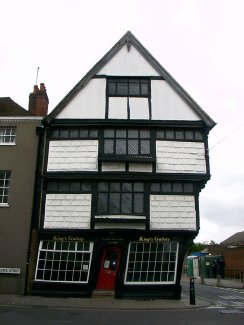
Zum einen wäre da die Kathedrale von Canterbury die gegen Eintritt besichtigt werden kann. Wenn man Sonntags zum Gottesdienst möchte muss man keinen Eintritt bezahlen. Es gibt noch viele andere kleinere Kirchen, zum Beispiel die älteste Kirche Englands die noch in Gebrauch ist (St. Martins). In die St. Mildred’s Church in der Stadtmitte kommen gerne Menschen die einen ruhigen Zufluchtsort suchen. Zum anderen gibt es die gut erhaltene Stadtmauer mit ihren Türmen. An der Stadtmauer ist der Westgate Tower in dem sich das militärische Museum befindet. Der Stadtkern an sich ist auch schön zum anschauen mit seinen alten Fachwerkhäusern und den schmalen Strässchen. Vor allem das Crooked House hat einen lustigen Anblick wegen seiner schrägen Tür. Durch die Fußgängerzone führt ein Kanal des Flusses Stour an dem ein “ducking stool” zu sehen ist.
Zum shoppen laden einen viele kleine und große Geschäfte ein. In England werden viel mehr Grußkarten geschrieben. Für jeden Anlass und jeden möglichen Beziehungsgrad in Verwandschaft und Freundschaft gibt es verschiedene Karten. Und für diese vielen Karten gibt es eigene Läden. An Läden für Kleidung und Schuhe fehlt es auch nicht und für Leseratten stehen einige Buchläden bereit. Und auf der Strasse laufen Menschen mit einem Bauchladen herum die Kappen, Socken, Schmuck und anderes anbieten. Die Souvenierläden fehlen natürlich auch nicht. Und dann gibt es noch einen Laden in dem es Süßigkeiten gibt und dazu noch den leckeren “Fudge” in vielen verschiedenen Geschmacksrichtungen. Ein unverzichtbarer Laden auf unserem Tagesausflug.
Man braucht auch mal eine Pause beim shoppen und da gibt es gute Restaurants (bzw. Pubs). Zum Beispiel das “Old Weavers House” und “Marlowe’s” wenn es typisch englisch sein soll oder zur Abwechslung vielleicht ein “Balti” im indischen Restaurant? Sehr lecker für jemanden der es scharf liebt. Fish & Chips findet man natürlich auch.
Nach der Pause geht es weiter mit shoppen und wenn wir dann genug haben fahren wir mit dem Bus zum P&R zurück und dann nach Hause.
Weitere Informationen
The Old Weavers House: 1 St.Peter’s Street, Tel.: +44 1227 464660
Marlowe’s Restaurant: 55 St.Peter’s Street, Tel.: +44 1227 462194
Kashmir Tandoori: 20 Palace Street, Tel.: +44 1227 46205
Canterbury Cathedral: www.canterbury-cathedral.org
St.Martin’s Church: www.martinpaul.org
St.Mildred’s Church: www.stpeters-stmildreds.org.uk
Canterbury Park & Ride: www.canterbury.gov.uk

